A Kitten's First Days at Home: A Checklist for New Owners
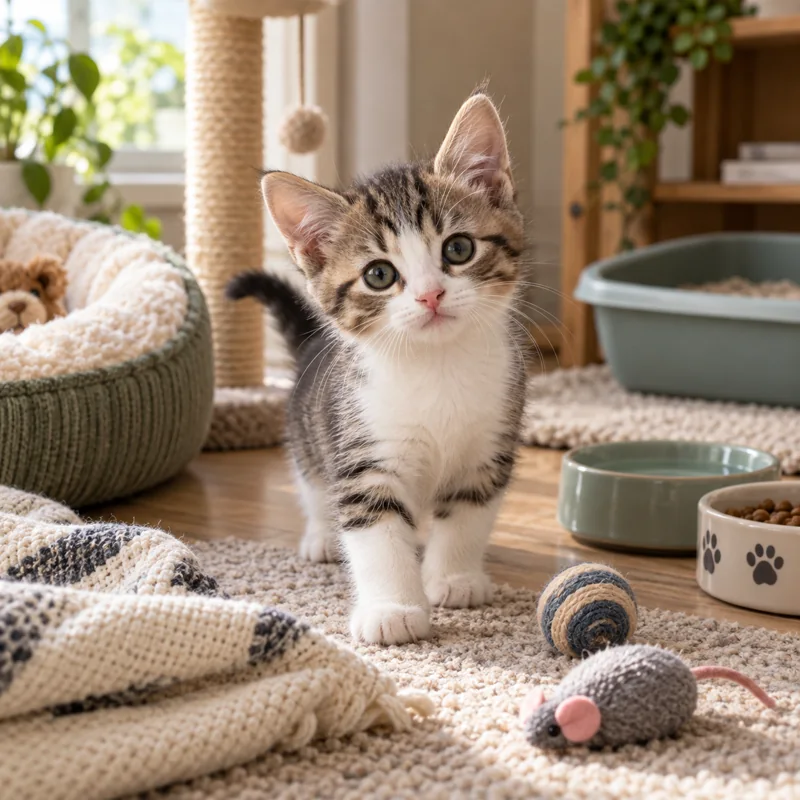
Congratulations — a new furry member of the family is about to join you. Here's what to expect in the first days and weeks, so both you and the kitten feel at ease.
What the kitten arrives with
A responsibly raised kitten should already have basic care behind it: age-appropriate vaccinations, a vet exam, and good early socialization. With us, that's backed up by a vet passport — the documents always go home with the kitten.
A quick word on vaccinations
In their first months, kittens usually get a core vaccine series, followed by additional shots as they get older (rabies, for example) on your vet's schedule. Once the kitten is with you, show your vet its documents — they'll map out the right plan for your area. Any medical decisions for your kitten should always be made by a licensed veterinarian.
What to prepare in advance
- Food and water bowls, and the same food the kitten is already used to (switch food gradually)
- A litter box and litter
- A cozy bed and a couple of safe toys
- A scratching post
- A small, quiet room for that first introduction to your home
The first few days
- Start small. Let the kitten settle into one quiet room before showing it the whole house — less stress, and faster litter-box training.
- Let the kitten come to you. Sit nearby, speak softly, and curiosity will do the rest.
- Keep a gentle routine — consistent feeding times and calm play quickly build trust.
- See a vet within the first week to establish care and confirm the vaccination schedule.
The kitten and your kids
Families are our core audience. Teach kids to stay calm and gentle, to let the kitten approach them, and to respect its space when it wants to rest. With calm, careful handling from the start, the bond forms fast — and lasts for years.
Have questions before you bring your kitten home? Message us — we're happy to help.